International Solution
International Power
What scholars, writers and speakers argue about the levels of power and the means each one holds it by — from videos, articles, books, talks and our own answers — each summarised in its own words and filed by subject.
The structure of power
Industry and the dollar underpin power, the veto locks institutions, and challengers contest without replacing
No single actor rules the world. Power is split between the five veto-holding Security Council members, the dollar-centred financial system and nine nuclear-armed states, and industrial capacity and money pay for every other lever. Institutions hold only as far as the strongest states allow. Military reach rests on the economy, and media and public opinion multiply material power rather than standing alone. Within weak states, the armed forces and outside patrons decide who rules, and elections confer legitimacy afterwards. Western primacy is wearing down as China's industry grows and Russia and China build parallel institutions, but no rival yet matches the dollar's depth or will bear the costs of leadership.
Key points
- Levers in order. Industrial and productive capacity ranks first, then money and markets, military reach, institutional gatekeeping and state capital; soft power trails as a multiplier.
- Veto and locked institutions. Only the five permanent members' veto is a legal tier, and any reform of the Security Council or the IMF needs those same powers' consent.
- Dollar still anchors finance. Deep US capital markets anchor Western primacy; local-currency trade among rivals grows, but no working alternative payment system yet exists.
- Multipolar challengers contest. China and Russia cast BRICS and the SCO as non-bloc pillars of multipolarity that contest the order without yet displacing it.
- Force decides inside states. Where armies split, the gun decides who holds the state; paramilitaries survive on outside patrons and resource money, and votes legitimise outcomes afterwards.
- Route for weaker states. Weaker states gain most by building their own industry, skills, regional payment links and local bond markets under laws that bind their governments' hands.
- Muslim world stays divided. For Muslim states, Iran's weakened network and thin US guarantees leave a divided Gulf hedging through unenforceable pacts, while Gulf wealth buys soft power.
Global
Wealth & Economics
Politics & Governance
Great Power Geopolitics
- Politics & GovernanceGreat Power GeopoliticsExplain the middle east balance of powerIran's weakened proxy network and exposed limits on US guarantees have pushed Gulf states into new but thin alliances, while Saudi-UAE rivalry keeps the region divided.
- Politics & GovernanceGreat Power GeopoliticsWho or which institutions controls the world?A Justice Council analysis finds no single power runs the world: dominance is split between the UN Security Council veto, the dollar-based financial system, and nine nuclear-armed states, all facing Global South pressure.
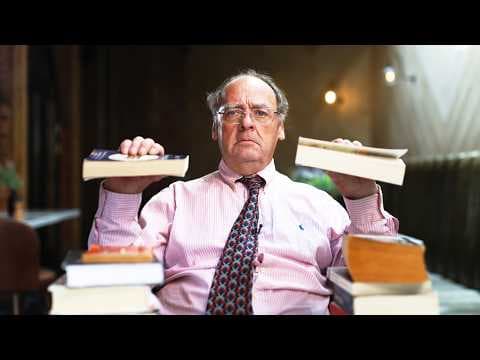
- Great Power GeopoliticsPresenter's Reading on World Order and PowerThe presenter recommends ten books to explain today's turmoil, pairing each with the historical or economic lesson it offers, from Kissinger's clashing world orders to Solzhenitsyn's warning on unchecked state power.
More
- Chinese Views on BRICS and the Future World OrderChinese-aligned commentary casts BRICS and the Russia-China partnership as building a rules-reforming, multipolar order — framed as diversification and governance reform, not a bloc against the West.

- Russian Views on BRICS and the Future World OrderRussian officials and analysts present BRICS and the SCO as pillars of a multipolar, Eurasia-centred order, tie the Ukraine war to a century-long Western crisis and Russia's "World Majority" pivot, and frame it as driving a Russian cultural and spiritual renewal.
- Politics & GovernanceWhat are the levers of global power in order?Industrial capacity, money and military reach outrank institutions as levers of global power; soft power, media and public opinion rank lowest, multiplying rather than replacing the material levers above them.