Muslim Majorities Solution · Power
Community Protection
Nusrah (support): what the Muslim-majority countries' states, armies, wealth, diplomacy, courts, scholars and peoples can do to come to the aid of oppressed Muslims — in Palestine, Sudan, Myanmar, East Turkistan, India and Muslim minorities everywhere — and what stops them, drawn from the opinions and the Muslim Majorities goals built on them.
Power for nusrah (support) to oppressed Muslims
Muslim states hold the money, votes and pulpits, but their security services keep nusrah (support) muted
The Muslim-majority states hold the heaviest levers of nusrah (support): sovereign wealth, relief budgets, refugee reception and seats in the Organisation of Islamic Cooperation (OIC). Too often they turn these levers inward against their own critics, or spend them on regional rivalry. Security services, terrorism laws and state-run mosques silence the scholars, journalists and publics who could press rulers to act. Meanwhile, outside sanctions and cautious banks hold back money meant for the needy. The balance shifts where pledged wealth actually reaches the displaced, where courts and pulpits regain their independence, and where communities build lasting service and advocacy rather than one-off condemnation.
Key points
- Wealth is the heaviest lever. Gulf pledges for Syria, including Saudi $6.4bn, Qatari $4bn and an Emirati port concession, show real power, but far less money has reached returnees.
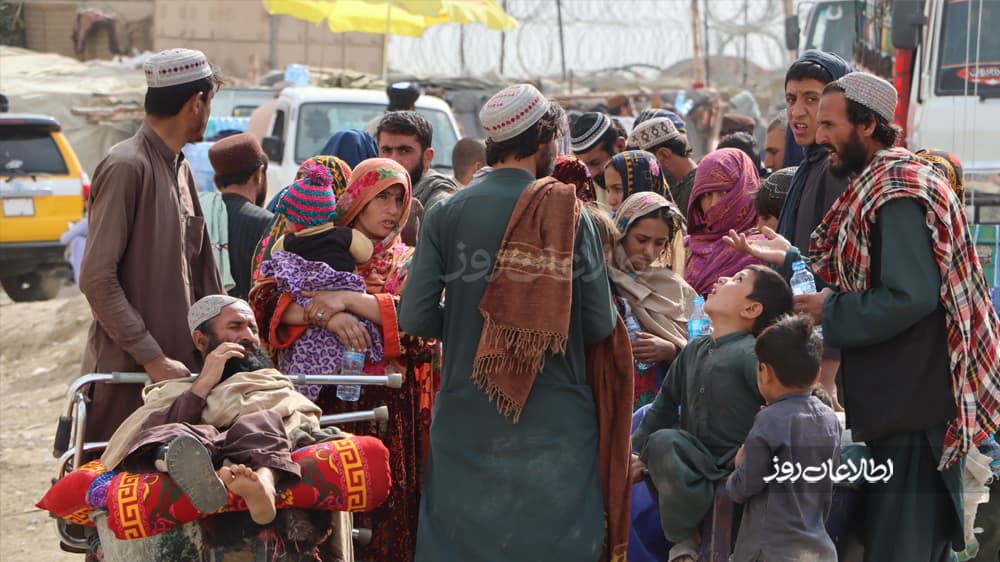
- Sanctuary is being broken. Pakistan and Iran have pushed out over 2.4 million Afghans, and Lebanon and Turkey press Syrian returns, breaking aman (sanctuary) while richer states share little.
- Security services silence pressure. Broad terrorism laws, spyware and mass trials from the Gulf to North Africa jail critics, Islamist opponents and journalists whose pressure could move rulers.
- Pulpits under state control. Egypt's Awqaf (religious endowments ministry) and Turkey's Diyanet (religious affairs directorate) script sermons and appoint imams, though al-Azhar contests the state's reach over Islamic rulings.
- Rivalry and outside powers. Saudi, Emirati and Iranian intervention fuels Yemen's war, while the US froze nearly $10bn of Afghan reserves and cautious banks block even approved aid.
- Declarations reach only elites. The OIC's rights commission, the Amman Message and fatwas against terrorism carry weight across Sunni, Shia and Ibadi schools, but rarely reach beyond elites.
- What communities can build. With Syrian and Somali appeals badly underfunded, communities gain most through steady zakat (almsgiving), waqf (endowment) relief, joint service and pressing for independent courts.
Drawn from
- Muslim Majorities Protection: Scholarly and Institutional PositionsMuslim scholars and Islamic institutions have issued repeated declarations and fatwas asserting that terrorism has no basis in Islam, while analysts question how far these texts change conditions on the ground.

- Muslim Majorities Protection: Refugees and the DisplacedPakistan, Iran, Lebanon and Turkey are driving mass returns of Afghan and Syrian refugees as humanitarian funding collapses, while Syria's reconstruction proceeds without a rights framework protecting returnees' homes and claims.
- Muslim Majorities Protection: Courts, Rule of Law and Accountable SecurityAcross Bahrain, Jordan, Algeria, Tunisia and the UAE, rights reporting shows broad terrorism and speech laws used to jail peaceful critics, including Islamist opposition figures, alongside weakened judicial checks and Islamic-law-based limits on Muslim women's rights.

- Muslim Majorities Protection: State Control of Mosques and Religious LifeGovernments from Egypt to Central Asia run mosques, appoint imams and police Muslim dress; Tajikistan and Uzbekistan enforce bans on hijabs, beards and religious speech through fines, prosecutions and informal pressure despite denying any law requires it.
- Muslim Majorities Protection: Detention, Torture and DisappearanceAcross Saudi Arabia, Bahrain, the UAE, Egypt and Syria, security forces detain, torture and disappear Muslim dissidents, while courts impose severe sentences and families are left searching for the missing.

- Muslim Majorities Protection: Armed Groups and Sectarian ViolenceJihadist and sectarian violence across the Sahel, Nigeria, Somalia and Pakistan kills, taxes and displaces Muslim civilians, with weak accountability letting attacks on mosques and worshippers continue.

- Muslim Majorities Protection: War, Occupation and SanctionsWar, rival governments, blockades and sanctions in Libya, Yemen and Afghanistan are squeezing ordinary Muslim civilians through frozen banks, blocked aid, unlawful detention and tightening controls on women.
