The Chessboard
Palestine Power
The power that holds the occupation in place and the power that can end it — drawn from the Palestine opinions and the genocide goals built on them.
Power for the liberation of Palestine
Occupation rests on US arms and veto; enforced law, economic pressure and unity can end it
Israel, the occupying power, holds much of Gaza by force and is turning its occupation of the West Bank into annexation through land law, settlements and settler violence. United States arms, money, its Security Council veto and its sanctions on international judges shield Israel from the consequences. The world's highest courts have ruled the occupation unlawful and genocide plausible, but enforcing those rulings falls to states willing to act. That burden is moving to arms embargoes, trade cut-offs, divestment and coalitions of states, driven by public pressure, while Germany and Italy block the European Union's strongest lever. Divided Palestinian leadership, cautious Arab governments and Gaza governance imposed from outside weaken this opening.
Key points
- What sustains the occupation. US arms, a $14bn aid package, the Security Council veto and sanctions on ICC judges let Israel ignore binding rulings while annexing the West Bank.
- Law awaiting its enforcers. The ICJ, ICC and UN inquiry have found unlawful occupation and plausible genocide and issued arrest warrants; states' independent duty to prevent genocide makes enforcement their responsibility.
- Economic leverage weighs most. Denying arms, military fuel, ports and trade hits hardest, as Turkiye, Spain, Slovenia and Norway's fund show, while suspension of the EU agreement remains blocked.
- Routes around the veto. The Hague Group, grown from 12 to 40 nations, and the General Assembly's Uniting for Peace procedure can carry enforcement past Washington, though some members waver.
- Publics move governments. Boycott, divestment, union and academic campaigns, with Muslim voters, pushed governments into recognitions and embargoes; recognition alone changes little without material pressure.
- Duty of Muslim states. Muslim states hold border, mediation and funding leverage and must defend Al-Aqsa; Egypt's silencing of Al-Azhar shows why scholars' nasiha (sincere counsel) needs protection.
- Palestinian unity and agency. Palestinian strength depends on turning the Beijing pledge into shared, elected institutions, rejecting outside-managed Gaza governance, and rebuilding with grants, not interest-bearing debt.
Drawn from
- Palestine: Law Awaiting Enforcement — What Is Needed to Stop the GenocideInternational law already obliges states to prevent genocide and end Israel's occupation; enforcement is blocked by the Security Council veto, the ICC's lack of police, and divided state and EU action.

- Palestine: Muslim Scholarly and Institutional PositionsMuslim scholarly bodies have issued strong religious condemnations of Israel's war on Gaza, but Al-Azhar's statement was pulled under Egyptian state pressure, showing limits on what such institutions can say.

- Palestine: The West Bank, Jerusalem, Annexation and the RefugeesIsraeli land registration, settlement expansion and Al-Aqsa prayer changes are entrenching control of the West Bank and Jerusalem, UN and rights monitors say, as settler violence hits record levels and UNRWA nears collapse.
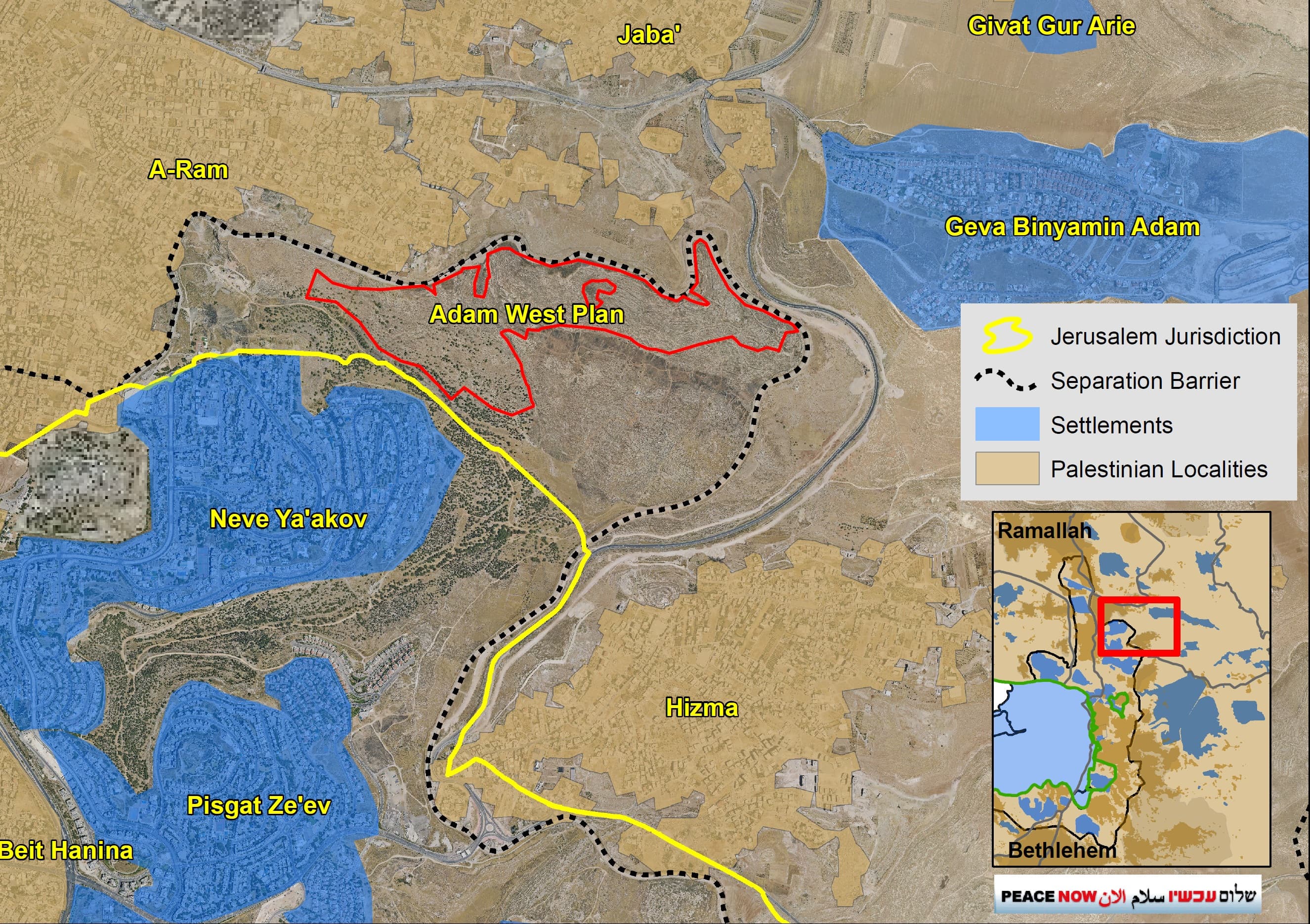
- Palestine: Gaza's Ceasefire, Reconstruction and GovernanceA year into Gaza's ceasefire, the Board of Peace has not secured full Israeli withdrawal, Hamas disarmament or reconstruction funding, as occupation, displacement and aid restrictions continue, sources report.

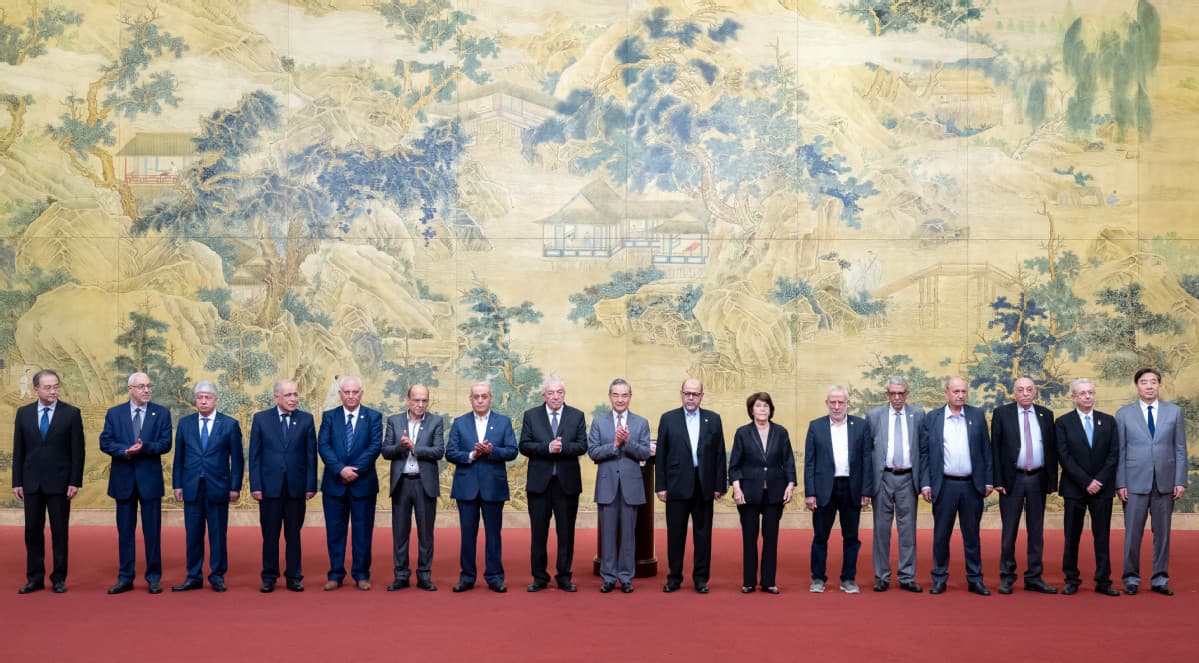
- Palestine: Palestinian Unity, Leadership and StrategyPalestinian factions pledged unity in Beijing in 2024, but the PLO's legitimacy remains disputed, Gaza's new governing body is accused of sidelining Palestinian sovereignty, and PA elections have again been postponed.
- Palestine: States, Blocs and RecognitionStates have widened recognition of Palestine while Arab summits, a UN resolution and the Hague Group pursue separate political, economic and legal tracks — with sharply disputed effect, Israel included.

- Palestine: Economic Leverage — Divestment, Embargoes and TradeGovernments, a sovereign wealth fund and the BDS movement are escalating economic pressure on Israel over Gaza — trade cutoffs, arms embargoes, divestment and corporate boycotts — while the EU has twice declined to suspend its preferential trade pact.

- Palestine: International Law and the CourtsUN and international courts have built a growing legal record accusing Israel of genocide, war crimes and crimes against humanity in Gaza, while Israel rejects every finding and the US sanctions the judges, prosecutors and rights groups involved.
