The Chessboard
Sudan Power
The power that keeps the genocide in Darfur and Sudan's war going and the power that can end it — drawn from the Sudan opinions and the genocide goals built on them.
Power for ending the genocide in Sudan
Cutting the RSF's UAE-linked arms and gold lifelines holds the key to ending Darfur's genocide
The RSF's genocide against the Zaghawa, Fur and Masalit is kept going by UAE-linked arms, fuel and fighters moving through Libya and Chad, and by Darfur gold sold in Dubai. The army, backed by Egypt, Turkey, Iran and Russia, also commits war crimes. UN investigators and the US have named the genocide. Even so, the ICJ case failed on jurisdiction, and Russia and China block a nationwide arms embargo. Quad members back opposing sides, and civilians remain split into blocs tied to the armed sides. The strongest levers are cutting the supply chain and the gold trade, followed by one shared truce built on a united civilian front.
Key points
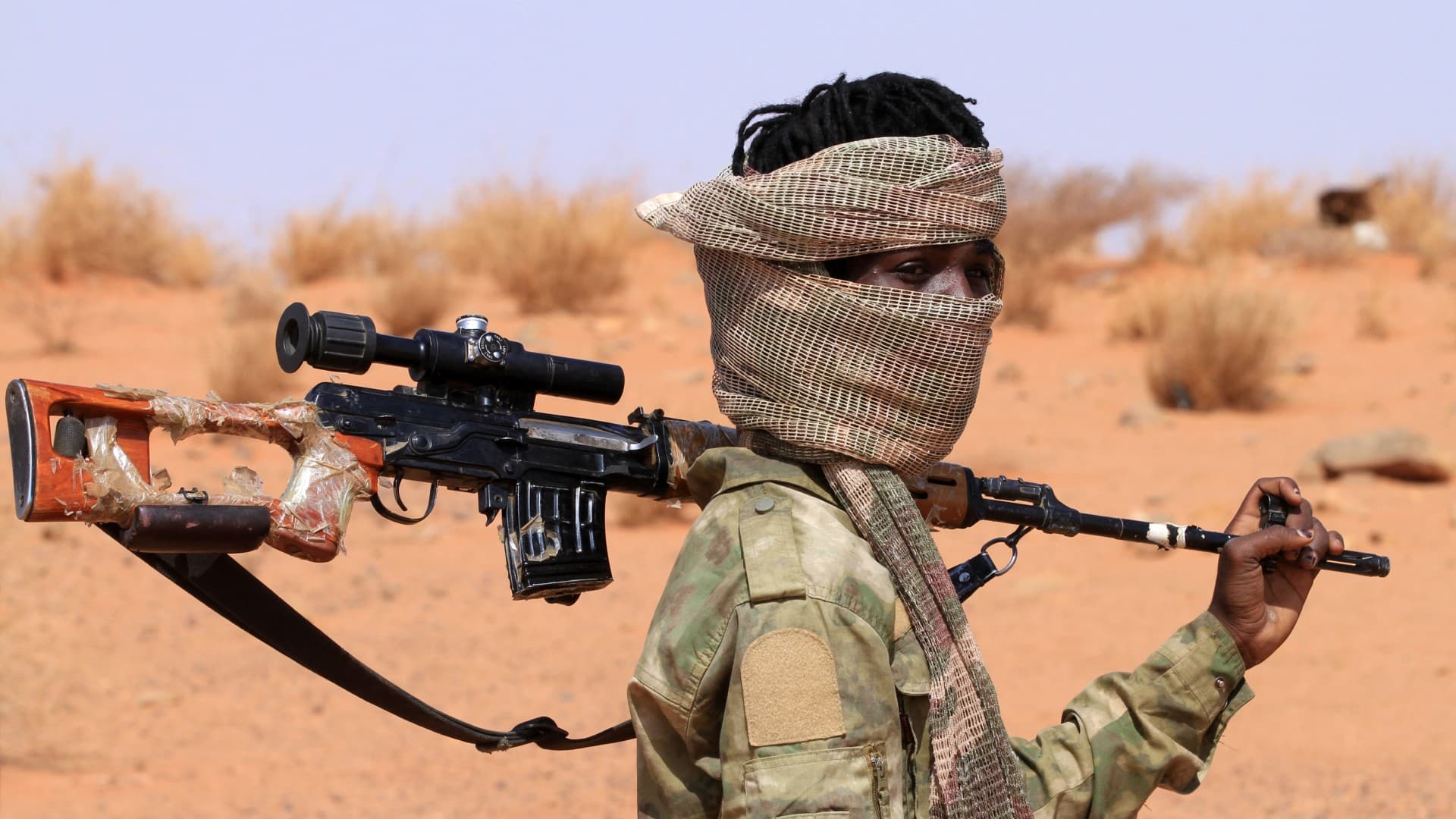
- The pipeline behind the genocide. UAE-linked networks run through Haftar's Libya, Chad's Amdjarass airport and Somalia, and use Colombian contractors, to arm, fuel and man the RSF, despite Abu Dhabi's denials.
- Gold pays for war. Darfur gold reaches Dubai through sanctioned front firms, and the UAE also controls army-side gold and banking, which gives it leverage over both sides.
- Embargo and sanctions. Enforcing and widening the flouted Darfur arms embargo is the strongest lever, but Russia and China block it, so sanctions on commanders and gold firms fill gaps.
- Law and evidence. UN investigators and the US find genocide, and the ICC convicted Kushayb, but the ICJ dismissed Sudan's case against the UAE. A case over embargo breaches remains possible.
- Divided mediators. Quad members back opposing sides and Saudi–Emirati rivalry is deepening, so no single truce has held, while el-Obeid now risks the same fate as el-Fasher.
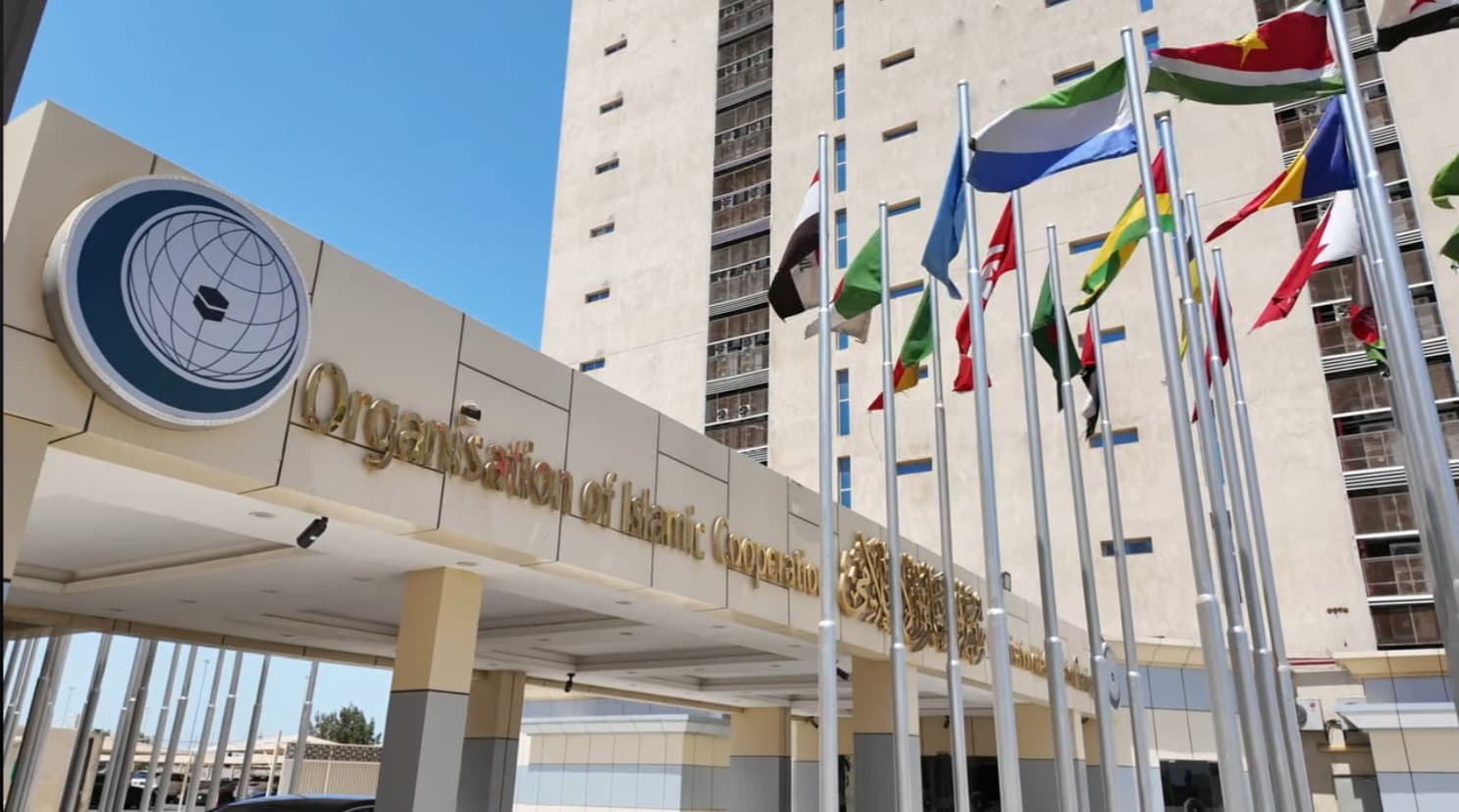
- Muslim states and scholars. Al-Azhar, the OIC and Arab states now condemn El Fasher, unlike the silence charged in 2005. Their duty now is to cut off arms and money.
- Darfur and all Sudanese. Emergency Response Rooms keep people alive among 14 million displaced while both armies attack them. Darfuris need funded relief, refuge in Chad and one united civilian voice.
Drawn from
- Sudan: Muslim Scholarly and Institutional PositionsMajor Islamic institutions and Arab governments condemned the RSF's 2025 assault on El Fasher as a breach of religious and humanitarian commitments, a response a 2005 essay said earlier Darfur violence had not drawn.
- Sudan: Civilian Forces, Unity and TransitionSudan's civilian political camp keeps splintering into rival, armed-aligned blocs even as new dialogue proposals emerge, while the RSF builds a parallel government and grassroots aid networks face repression from both sides.

- Sudan: Humanitarian CatastropheWar between Sudan's army and the RSF paramilitary has split the country, produced the world's largest displacement crisis, and left el-Fasher and now el-Obeid under siege, massacre and famine.

- Sudan: Economic Leverage - Gold, Sanctions and the Arms EmbargoSanctions on RSF commanders and Dagalo family firms sit alongside UAE-linked gold and property networks funding Hemeti, while the UN Security Council stays split over widening Darfur's arms embargo to all of Sudan.

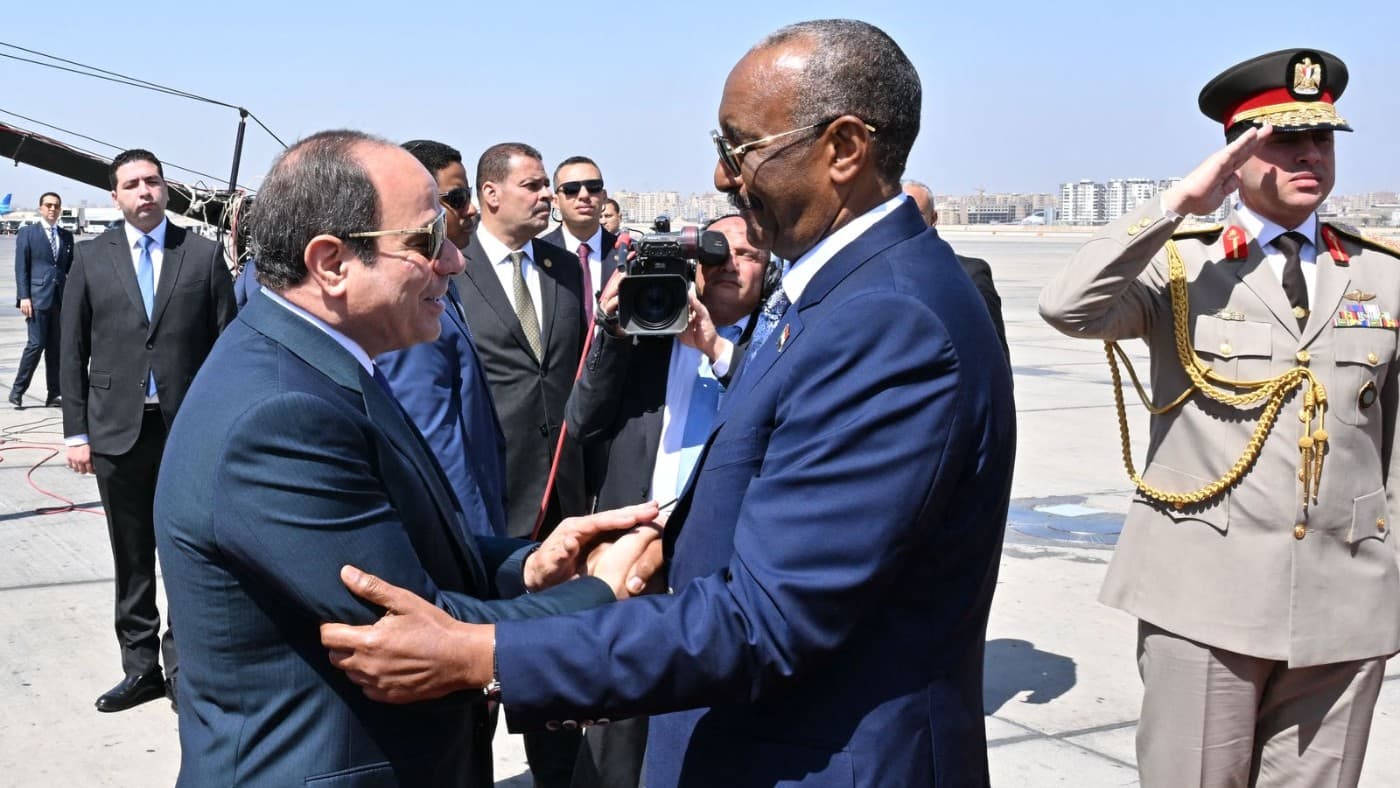
- Sudan: States, Blocs and DiplomacyA US-Saudi-UAE-Egypt "Quad" roadmap for Sudan's war has stalled amid mutual rejections, rival Gulf patronage of the warring sides, and competing peace plans, while Washington has turned to visa pressure on the army chief.

- Sudan: The Army's Backers and Its Own ConductSudan's army and the RSF each depend on rival foreign patrons who arm, fund and fuel the war, while international monitors document war crimes by both forces, including army airstrikes on civilians.
- Sudan: The RSF's Backers and the Arms PipelineUAE-linked networks running through Libya, Chad, Somalia and Colombia have armed, fuelled and manned Sudan's RSF for years, UN bodies and reporters find, while Abu Dhabi denies it and legal efforts to stop it have stalled.
- Sudan: International Law and the CourtsUN investigators and the US have both found Sudan's RSF committed genocide in Darfur; the ICC convicted and sentenced a Janjaweed leader, but the ICJ threw out Sudan's genocide case against the UAE on jurisdiction.