Genocide Solution · Levers
Genocide Levers
The power that keeps the genocides in Palestine, Sudan, Myanmar and East Turkistan and India's persecution of its Muslims going, and the power that can end them — the levers the five cases share and where they differ, drawn from every region's opinions and the genocide goals built on them. Each region has its own Levers: Palestine, Sudan, Myanmar, Uyghurs and India.
Power for stopping the genocides
Patrons' vetoes, arms and money sustain these atrocities; cutting supply and enforcing rulings can end them
Each perpetrator relies on outside protection. US vetoes and weapons shield Israel, Emirati money and supply lines sustain the RSF, Russia and China arm Myanmar's military, and China's veto and trade ties protect its campaign against the Uyghurs. The law is largely settled, with binding court orders, arrest warrants and genocide findings, but it is not enforced: vetoes block it, states evade it, and for the Uyghurs and India it never reaches a court. The strongest lever is cutting arms, fuel, finance and trade, and some states, funds, unions and boycott campaigns have begun to do this. Most Muslim governments stay silent when trade or diplomacy is at stake, so scholars, publics and the victims' own organisations carry the pressure.
Key points
- Patrons keep perpetrators shielded. US vetoes, Russian and Chinese blocking, Emirati gold and arms networks, and China's own veto keep each perpetrator beyond enforcement.
- Law settled, enforcement blocked. Gaza has ICJ orders, ICC warrants and a UN genocide finding, Darfur a UN genocide finding; vetoes, sanctions on judges and absent police stall enforcement.
- Courts' reach differs. Myanmar faces the ICJ, the ICC and Argentine warrants; China's veto keeps Uyghurs from any court, and no court has examined India's persecution of Muslims.
- Cutting supply bites hardest. The cases show the effect: Turkey's trade cut, Spanish and Slovenian embargoes, Norway's divestment and US forced-labour bans, while US sanctions on Myanmar's junta unwind.
- Coalitions bypass the veto. The Hague Group grew from 12 to 40 states pressing arms and settlement-goods bans, showing coalitions can act where the Security Council is blocked.
- Muslim states divided. Turkey cut trade with Israel and the OIC funds the Rohingya case, but many shield China, deport Uyghurs and Rohingya, and back Sudan's rival armies.
- Scholars and publics lead. Scholars and Muslim publics lead where states hold back, through boycotts, protests and fatwas (religious rulings), though Egypt forced Al-Azhar to withdraw its Gaza statement.
- Victims' voices drive accountability. Victims' bodies, from Sudan's emergency response rooms to Uyghur and Rohingya diasporas and divided Palestinian factions, are repressed or split, yet their testimony drives accountability.
Drawn from
- India: Citizenship — the CAA, the NRC, Detention and ExpulsionAcross Assam and West Bengal, eviction drives, voter-roll purges and border pushbacks have stripped Bengali Muslims of homes, votes and, HRW says, due process, as elections turn on "illegal migrant" rhetoric.

- India: Kashmir — Article 370, Detentions and the UN ResolutionsSince Article 370's 2019 revocation, Kashmir has seen deepened central control; the 2025 Pahalgam attack triggered mass detentions and home demolitions that Kashmiri politicians and residents call collective punishment.

- Uyghurs: Muslim Scholarly and Institutional PositionsMuslim governments, the OIC and Indonesian religious bodies have largely avoided confronting China over the Uyghurs, citing sovereignty and trade ties, while US imams, scholars and street protesters press the issue and rights groups and Beijing dispute what is happening in Xinjiang.
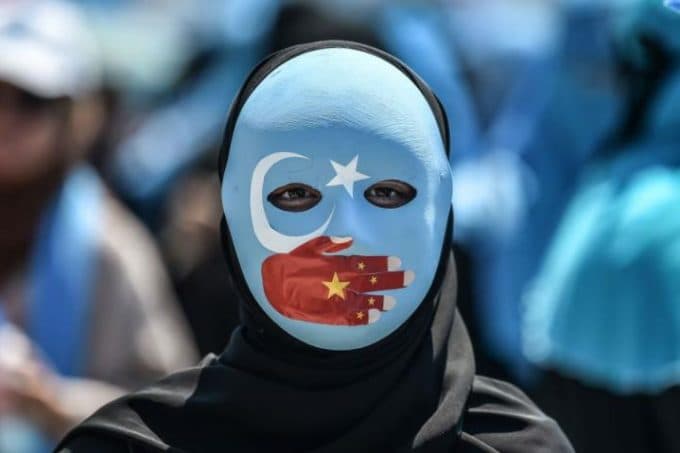
- Uyghurs: Diaspora, Advocacy and RepresentationUyghur diaspora groups document surveillance and testimony, press Washington and Ottawa for action, and say Beijing now uses visas, propaganda and informants to coerce and silence them abroad.
- Uyghurs: Transnational Repression and DeportationsChina presses governments from Thailand to Egypt, the Gulf and Morocco to detain, deport or extradite Uyghurs, while pressuring diaspora families abroad into silence and surveillance.

- Uyghurs: Muslim States' Silence and the OICDespite UN findings on mass detention of Uighurs, most Muslim-majority governments and the OIC have praised or stayed quiet on China's Xinjiang policy, citing trade, debt and Belt and Road ties.

- Uyghurs: States, Blocs and the UNSince 2019, states have split into rival camps at the UN over Xinjiang: Western-led statements citing a "crimes against humanity" finding against a larger China-aligned bloc calling it an internal affair. A 2022 bid for a UN debate was narrowly defeated and no formal investigation has followed.
- Uyghurs: Forced Labour and Supply ChainsThe US and EU have each built legal regimes banning imports linked to forced labour in Xinjiang, while investigations tie the region's cotton, solar and seafood industries to Uyghur labour transfers.

- Uyghurs: The Camps, Sterilisation and the Destruction of ReligionDocuments, leaks and survivor testimony describe a Chinese state campaign in Xinjiang combining mass internment, forced sterilisation, sexual violence and the systematic erasure of mosques, shrines, village names and schooling in Uyghur language.

- Uyghurs: Law, Findings and AccountabilityIndependent tribunals and UN findings have called China's campaign against the Uyghurs genocide or crimes against humanity, but no court has ruled and the UK's Labour government quietly dropped its pledge to pursue legal recognition.
- Myanmar: Muslim States, the OIC and the RohingyaThe OIC and Turkey back the Rohingya's case for justice in words, funds and aid, while Malaysia, long their refuge, has begun deporting them to a Myanmar still at war.

- Myanmar: Rohingya Representation and the Federal FutureMyanmar's shadow government has pledged Rohingya citizenship since 2021, but rival Rohingya factions, a resurgent Arakan Army, and Bangladesh's own diplomacy now all compete to shape what repatriation would actually mean.
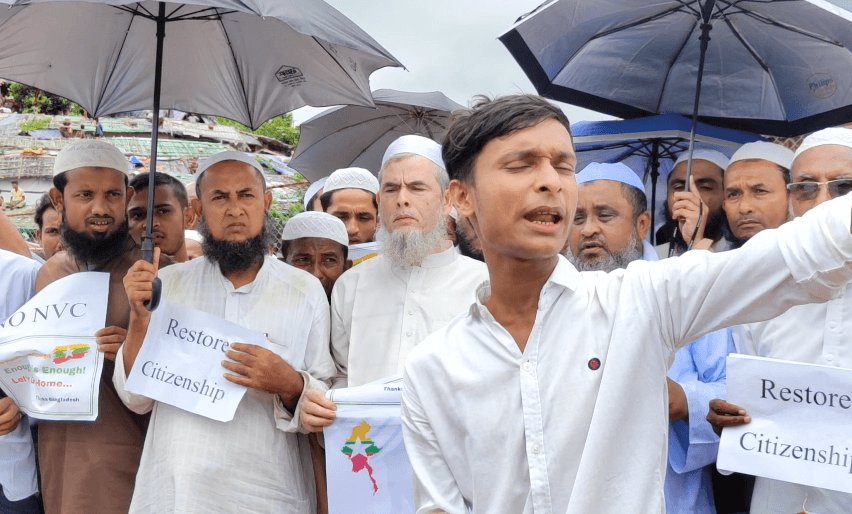
- Myanmar: The Refugees — Camps, Boats and ReturnNine years after fleeing Myanmar's 2017 crackdown, more than a million Rohingya remain in Bangladesh camps as Malaysia starts deporting some back, sea crossings turn deadlier, and funding cuts strip away aid.

- Myanmar: Rakhine Today — the Arakan Army and the RohingyaRohingya in Myanmar's Rakhine State are caught between an Arakan Army that now rules most of the territory but abuses them, and a junta waging an intensifying air war, while international courts weigh unresolved genocide and war-crimes cases.

- Myanmar: Economic Leverage — Sanctions, Jet Fuel and DivestmentDespite years of sanctions meant to cut Myanmar's junta off from funds, arms and jet fuel, the US has spent 2025–26 rolling sanctions back even as the junta's jet fuel imports doubled and airstrikes intensified.
- Myanmar: States, Blocs and DiplomacyThe junta's controlled election made Min Aung Hlaing president; UN experts call it a sham, ASEAN won't certify it yet still deals with the junta as Myanmar's government, and legal cases advance even as regional states keep receiving him.
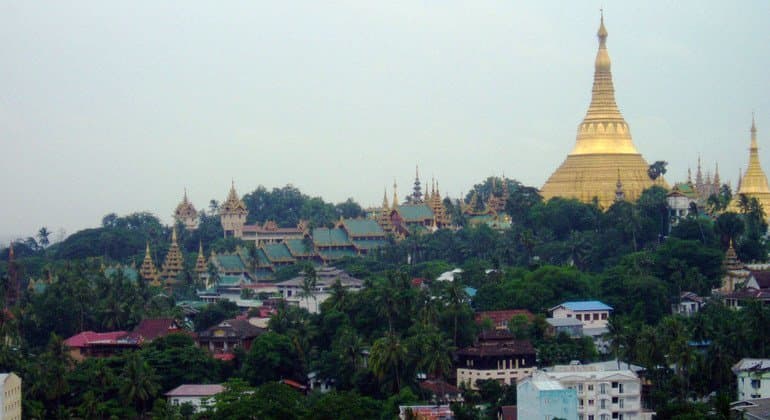
- Myanmar: The Junta's Backers and the Arms SupplyMyanmar's junta, battered on the battlefield, survives on arms and diplomatic cover from Russia and China and widening outreach to India, while it is accused of war crimes and faces calls for a global arms embargo.
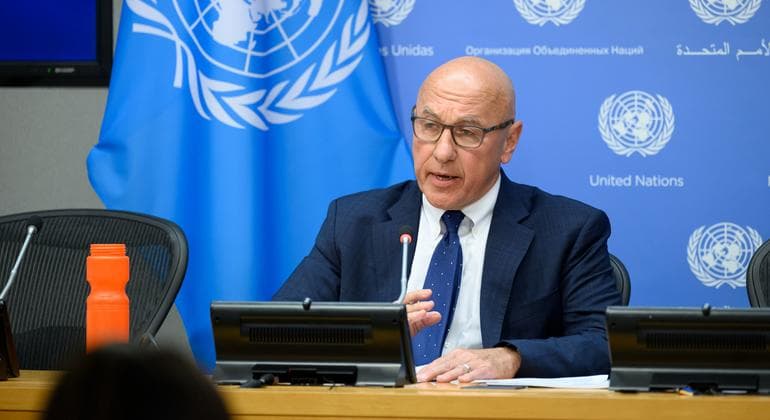
- Myanmar: International Law and the CourtsMyanmar's Rohingya genocide case is being litigated simultaneously at the ICJ, the ICC and Argentina's courts, while Myanmar denies the charges and its military escalates aerial attacks.
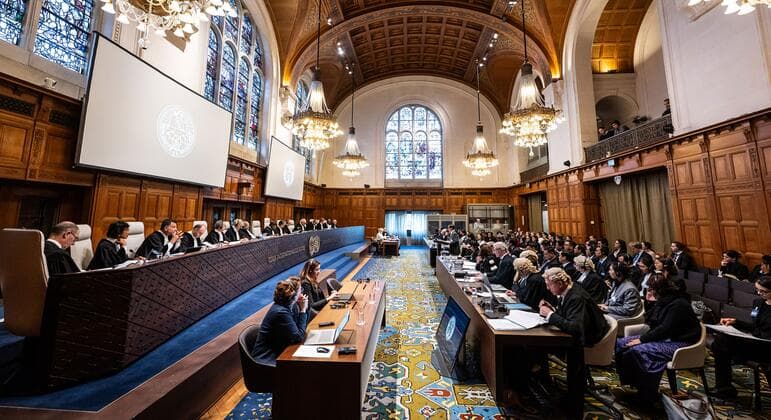
- Sudan: Muslim Scholarly and Institutional PositionsMajor Islamic institutions and Arab governments condemned the RSF's 2025 assault on El Fasher as a breach of religious and humanitarian commitments, a response a 2005 essay said earlier Darfur violence had not drawn.
- Sudan: Civilian Forces, Unity and TransitionSudan's civilian political camp keeps splintering into rival, armed-aligned blocs even as new dialogue proposals emerge, while the RSF builds a parallel government and grassroots aid networks face repression from both sides.

- Sudan: Humanitarian CatastropheWar between Sudan's army and the RSF paramilitary has split the country, produced the world's largest displacement crisis, and left el-Fasher and now el-Obeid under siege, massacre and famine.

- Sudan: Economic Leverage - Gold, Sanctions and the Arms EmbargoSanctions on RSF commanders and Dagalo family firms sit alongside UAE-linked gold and property networks funding Hemeti, while the UN Security Council stays split over widening Darfur's arms embargo to all of Sudan.

- Sudan: States, Blocs and DiplomacyA US-Saudi-UAE-Egypt "Quad" roadmap for Sudan's war has stalled amid mutual rejections, rival Gulf patronage of the warring sides, and competing peace plans, while Washington has turned to visa pressure on the army chief.

- Sudan: The Army's Backers and Its Own ConductSudan's army and the RSF each depend on rival foreign patrons who arm, fund and fuel the war, while international monitors document war crimes by both forces, including army airstrikes on civilians.
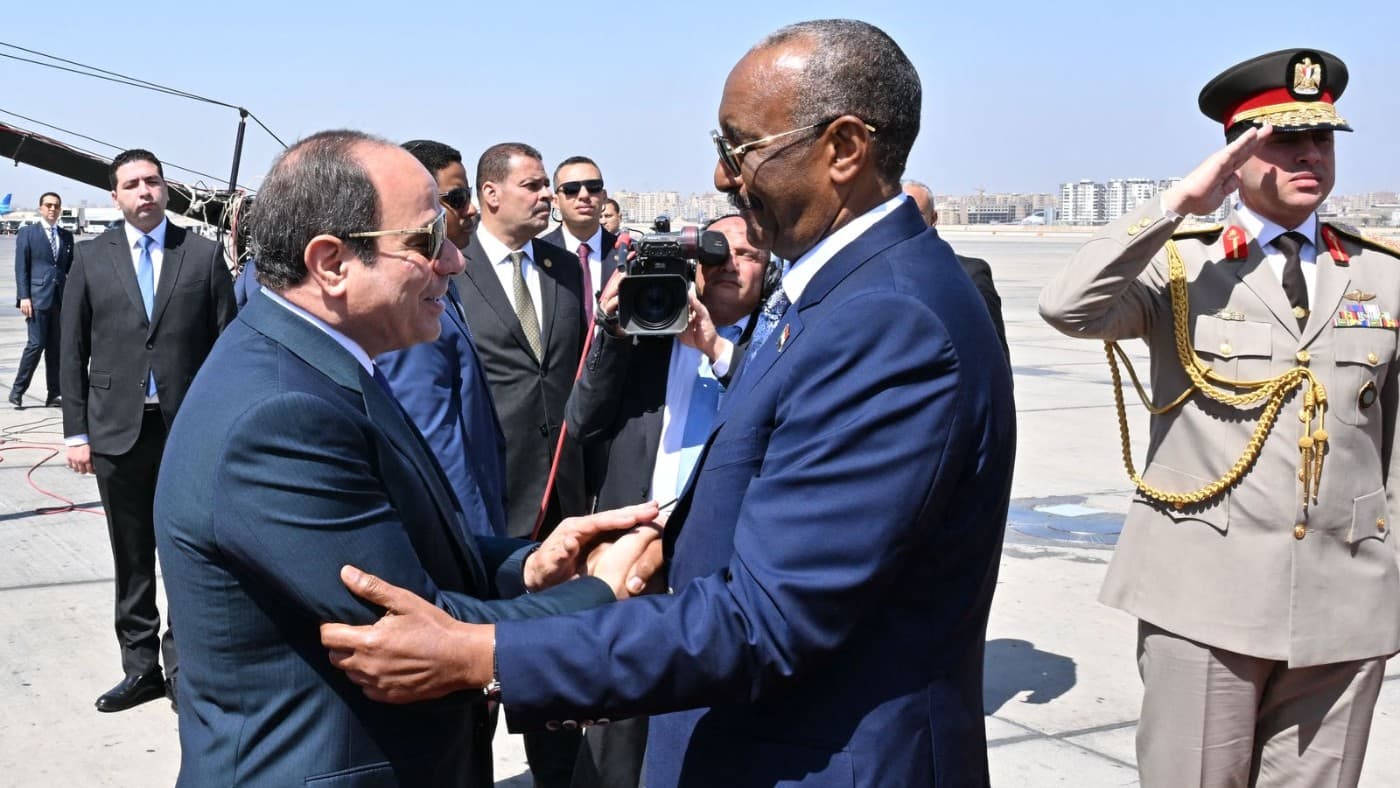
- Sudan: The RSF's Backers and the Arms PipelineUAE-linked networks running through Libya, Chad, Somalia and Colombia have armed, fuelled and manned Sudan's RSF for years, UN bodies and reporters find, while Abu Dhabi denies it and legal efforts to stop it have stalled.
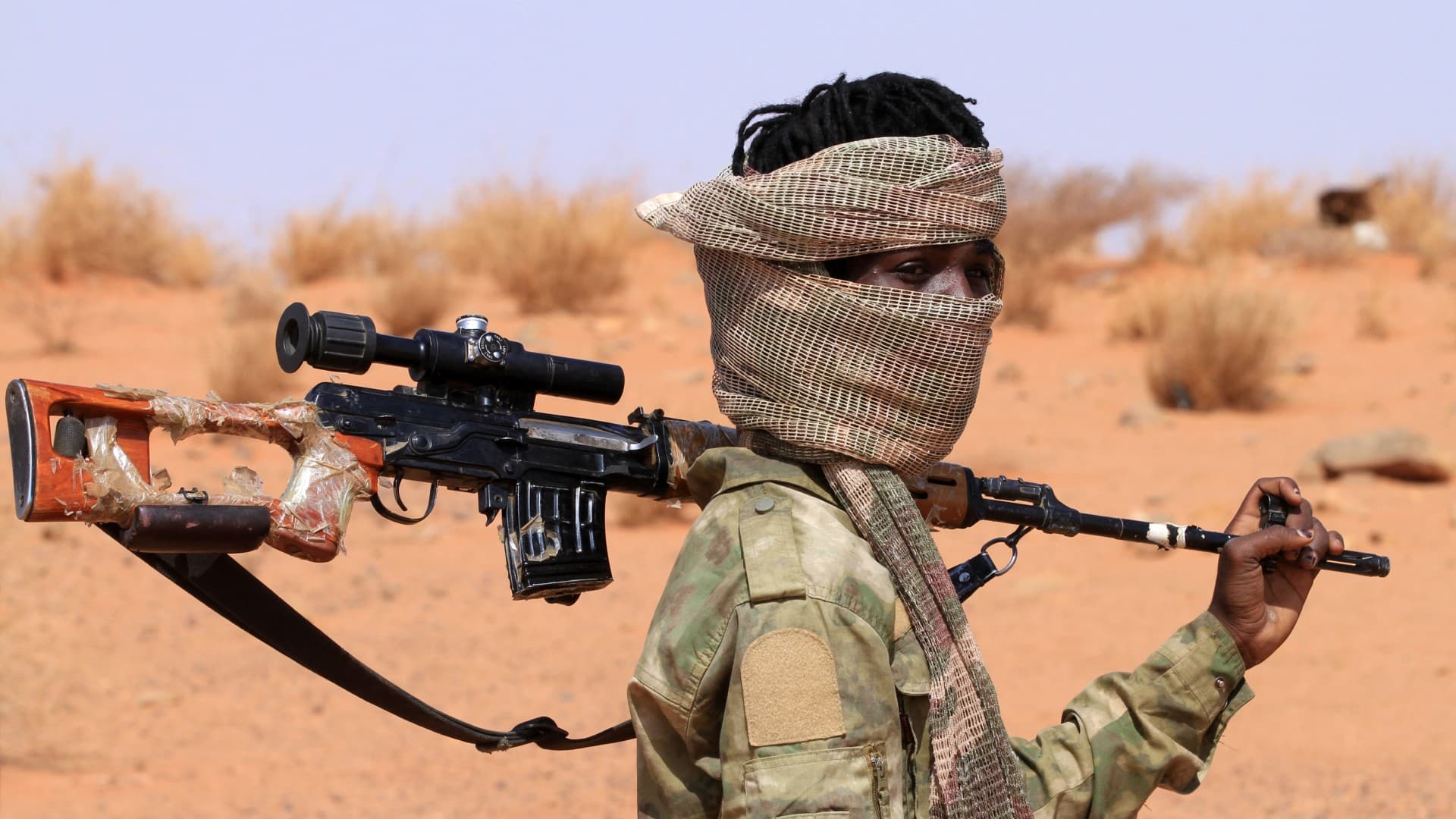
- Sudan: International Law and the CourtsUN investigators and the US have both found Sudan's RSF committed genocide in Darfur; the ICC convicted and sentenced a Janjaweed leader, but the ICJ threw out Sudan's genocide case against the UAE on jurisdiction.
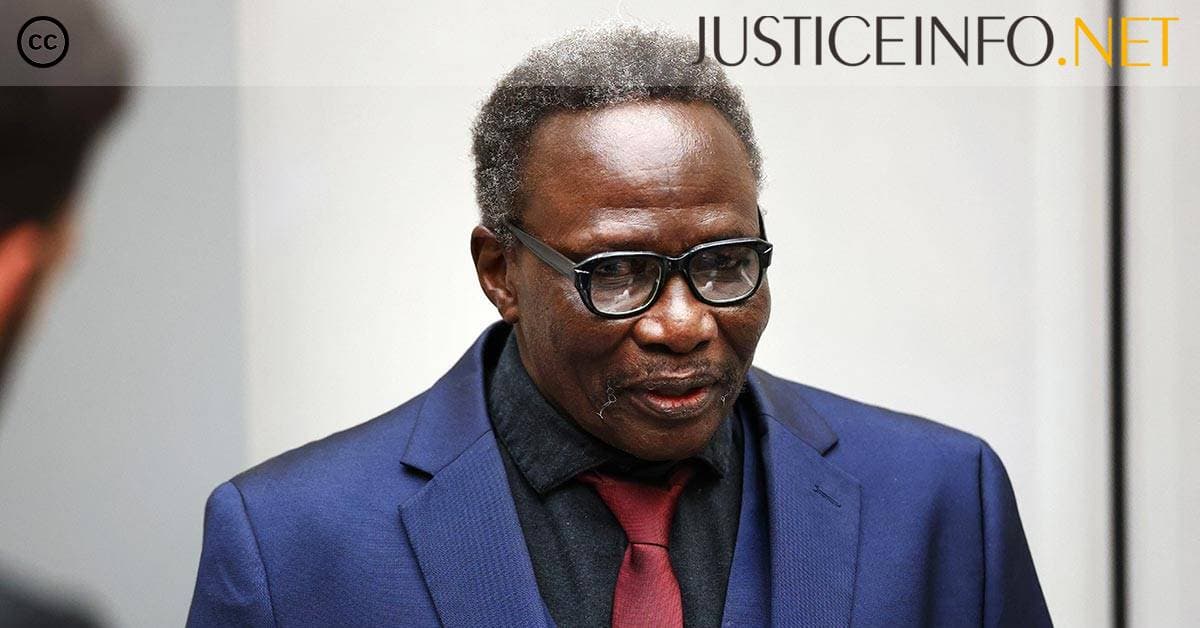
- Palestine: Law Awaiting Enforcement — What Is Needed to Stop the GenocideInternational law already obliges states to prevent genocide and end Israel's occupation; enforcement is blocked by the Security Council veto, the ICC's lack of police, and divided state and EU action.

- Palestine: Muslim Scholarly and Institutional PositionsMuslim scholarly bodies have issued strong religious condemnations of Israel's war on Gaza, but Al-Azhar's statement was pulled under Egyptian state pressure, showing limits on what such institutions can say.

- Palestine: The West Bank, Jerusalem, Annexation and the RefugeesIsraeli land registration, settlement expansion and Al-Aqsa prayer changes are entrenching control of the West Bank and Jerusalem, UN and rights monitors say, as settler violence hits record levels and UNRWA nears collapse.
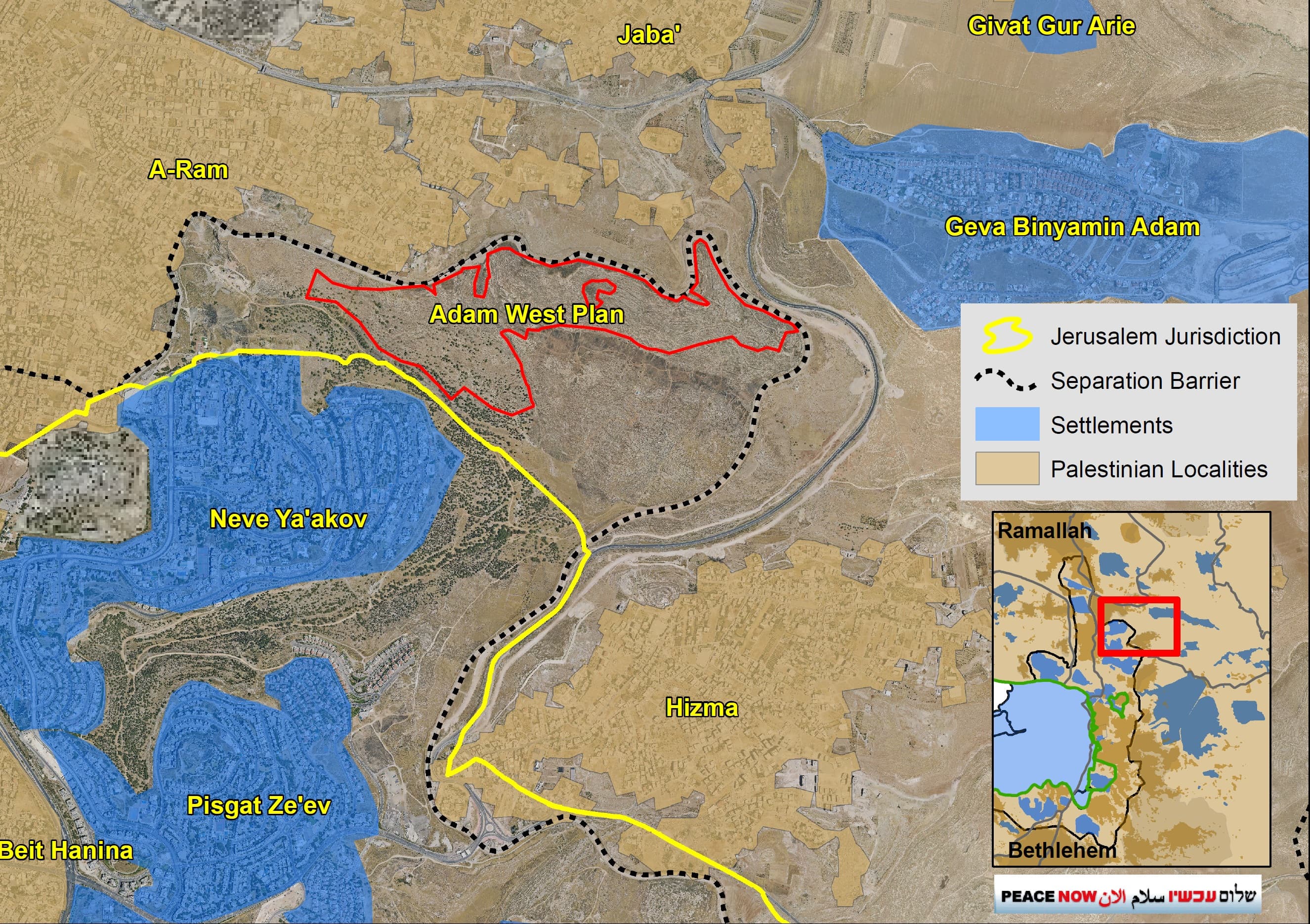
- Palestine: Gaza's Ceasefire, Reconstruction and GovernanceA year into Gaza's ceasefire, the Board of Peace has not secured full Israeli withdrawal, Hamas disarmament or reconstruction funding, as occupation, displacement and aid restrictions continue, sources report.

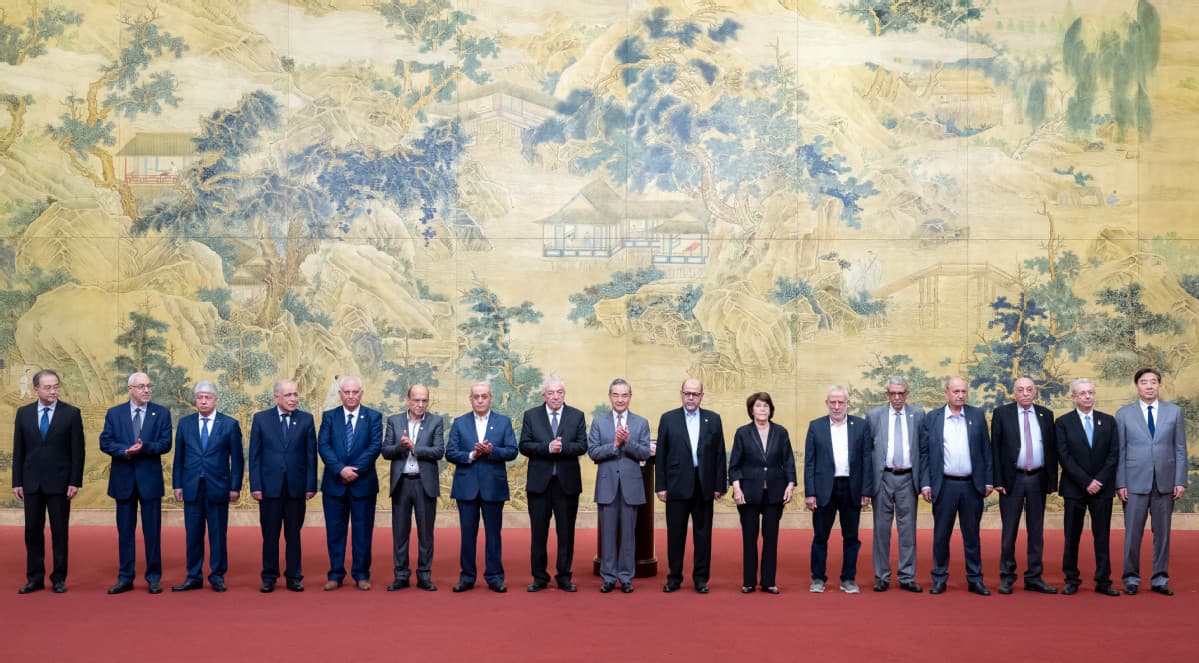
- Palestine: Palestinian Unity, Leadership and StrategyPalestinian factions pledged unity in Beijing in 2024, but the PLO's legitimacy remains disputed, Gaza's new governing body is accused of sidelining Palestinian sovereignty, and PA elections have again been postponed.
- Palestine: States, Blocs and RecognitionStates have widened recognition of Palestine while Arab summits, a UN resolution and the Hague Group pursue separate political, economic and legal tracks — with sharply disputed effect, Israel included.

- Palestine: Economic Leverage — Divestment, Embargoes and TradeGovernments, a sovereign wealth fund and the BDS movement are escalating economic pressure on Israel over Gaza — trade cutoffs, arms embargoes, divestment and corporate boycotts — while the EU has twice declined to suspend its preferential trade pact.

- Palestine: International Law and the CourtsUN and international courts have built a growing legal record accusing Israel of genocide, war crimes and crimes against humanity in Gaza, while Israel rejects every finding and the US sanctions the judges, prosecutors and rights groups involved.
